Targeting Iran's Power: Unpacking the US-Israeli Strikes and War Goals
In a dramatic escalation of regional tensions, the Middle East has been gripped by an intensified wave of US-Israeli bombardment targeting Iran's security forces, strategic infrastructure, and symbols of power. This coordinated offensive, which began just days ago, has rapidly reshaped the geopolitical landscape, triggering retaliatory actions and sending shockwaves across global markets and supply chains. From the Indian Ocean to the heart of Tehran, the tempo of military operations has been relentless, signaling an open-ended conflict with profound implications for international stability.
The severity of the situation was underscored by the unprecedented announcement that the mourning ceremony for Iranian Supreme Leader Ayatollah Ali Khamenei, reportedly killed at the conflict's outset, would be postponed. This stark detail highlights the immediate and far-reaching impact of the conflict, setting a somber tone for a region already accustomed to volatility. As Washington and Israel continue to define their evolving war goals, the world watches nervously, grappling with the human, economic, and political fallout of this deepening crisis.
The Escalating Offensive: A Deeper Look into US-Israeli Strikes
The joint US-Israeli military campaign, launched with precision and swiftness, initially focused on critical Iranian assets: its leadership echelons, sophisticated missile arsenal, and controversial nuclear program. While these objectives typically form the bedrock of any strategic strike, early indications also suggested a more ambitious, albeit implicit, goal: the toppling of the Iranian government. President Donald Trump's assessment that the US military was "doing very well on the war front, to put it mildly," reflected the apparent initial success of these operations, even as the exact aims and timelines of the conflict began to shift, hinting at a prolonged engagement.
The operational scope of the US-Israeli bombardment has been extensive and multifaceted. A significant naval incident saw a U.S. submarine successfully sink an Iranian warship in the Indian Ocean. This devastating attack resulted in a tragic loss of life, with Sri Lankan authorities reporting 87 bodies recovered from the vessel, which carried an estimated 180 people. Such an event underscores the comprehensive nature of the military engagement, extending beyond land and air targets to naval dominance.
On the ground, Israeli forces have specifically targeted structures associated with Iran's Basij, the all-volunteer paramilitary arm of the Revolutionary Guard known for its brutal crackdowns on domestic protests. Furthermore, buildings linked to Iran's internal security command have been hit. These strikes are interpreted by many as a deliberate strategy to weaken the regime's internal control and potentially incite popular discontent, aligning with the stated US and Israeli desire to see Iranians overthrow their current theocracy.
Reports from Iranian state television and international outlets like Al Jazeera paint a vivid picture of the destruction, with "flames and plumes of smoke" visible across Tehran and in cities like Sanandaj. Critical infrastructure, including media centers and residential areas, has been impacted. In a stark warning, the Israeli army directly urged residents of Beirut's southern suburbs—specifically Bourj el-Barajneh, Hadath, Haret Hreik, and Shiyyah neighborhoods—to flee, illustrating the regional reach and psychological warfare tactics employed.
Iran, for its part, has responded with its own barrage of missiles and drones, warning of widespread destruction of military and economic infrastructure across the Middle East. The conflict has quickly spiraled into a regional conflagration, with Israel trading fire with Hezbollah in Lebanon, and Iran launching attacks against Bahrain, Kuwait, and Israel itself. Even beyond the immediate conflict zones, the ripples are felt, as evidenced by Turkey's announcement that NATO defenses intercepted an Iranian ballistic missile before it could enter Turkish airspace.
The Human Cost and Global Ramifications
Beyond the geopolitical maneuvering and military strategies, the most tragic consequence of the intensifying us israeli bombardment is the devastating human toll. Official reports indicate that more than 1,000 people have been killed in Iran, alongside over 70 casualties in Lebanon and approximately a dozen in Israel. These figures, while stark, represent only a snapshot of the widespread suffering, displacement, and trauma inflicted upon civilian populations caught in the crossfire.
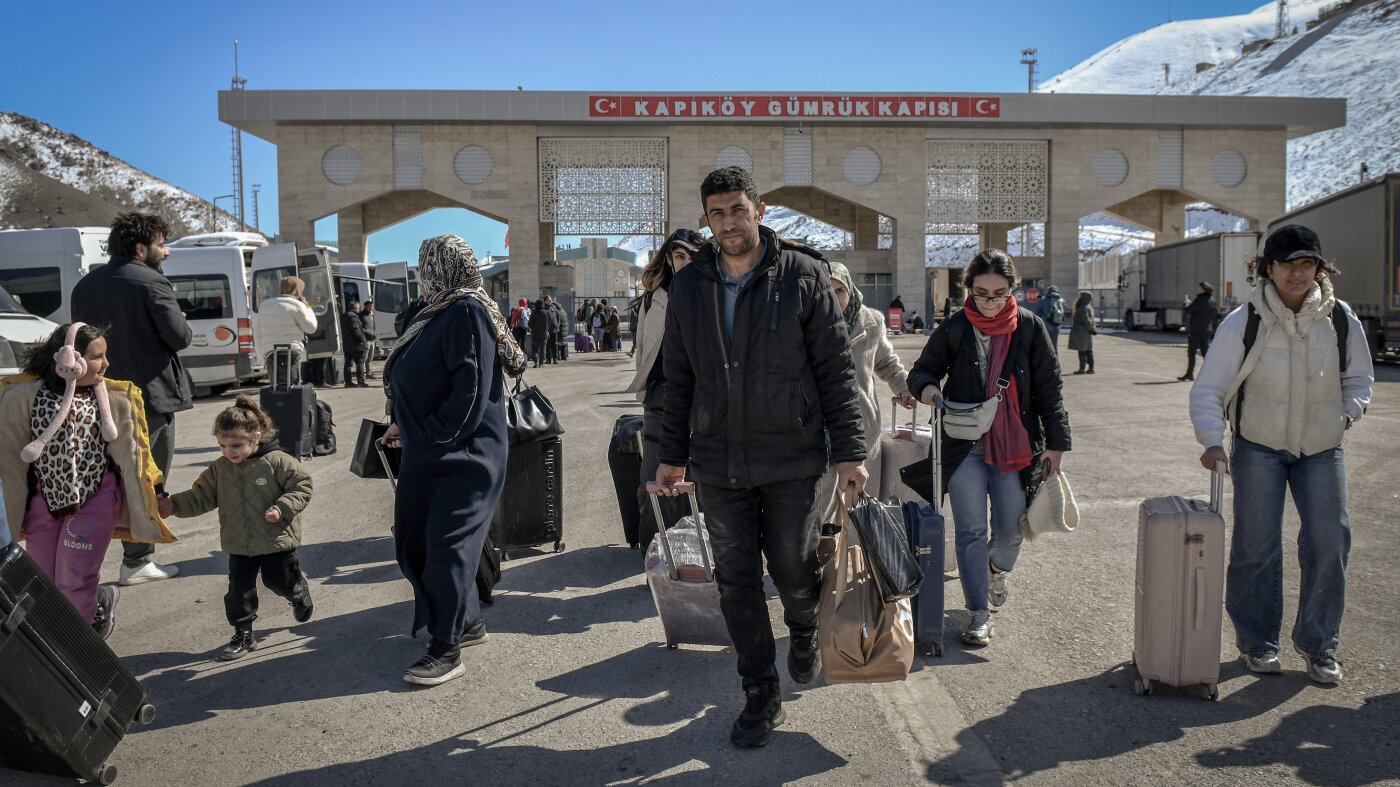
The economic impact has been equally severe and far-reaching, extending well beyond the Middle East. The conflict has critically disrupted the global supply of oil and natural gas, leading to volatility in energy markets and threatening to drive up prices worldwide. International shipping lanes, particularly through vital chokepoints in the region, have been snarled, causing delays and increasing costs for goods moving across continents. This disruption poses a significant threat to global supply chains already reeling from recent crises, potentially leading to shortages and inflation in various sectors. Moreover, hundreds of thousands of travelers have found themselves stranded in the Middle East, their plans upended by flight cancellations and travel advisories, highlighting the broad personal inconvenience alongside the broader economic disruptions.
For individuals and businesses with interests in the region, vigilance is paramount. Monitoring international travel advisories, diversifying logistical routes where possible, and understanding the fluidity of geopolitical risks are crucial steps. The interconnectedness of the global economy means that a conflict in one region can trigger a cascade of effects globally, impacting everything from the price of consumer goods to the stability of financial markets. This underscores the need for international efforts to de-escalate tensions and seek diplomatic resolutions.
War Goals: Toppling the Regime vs. Disabling Capabilities
The core objectives behind the current us israeli bombardment remain a subject of intense analysis. While early statements from Washington and Tel Aviv suggested a desire to see a popular uprising against Iran's theocratic government, the strategic targeting seems to serve dual purposes. Strikes against Iran's internal security forces, for instance, are clearly aimed at weakening the regime's capacity for control and potentially encouraging dissent among the populace. Images of ruined buildings in Tehran and interviews with residents whose homes were damaged are likely intended to fuel public frustration. Furthermore, the targeting of a building associated with a clerical panel in Qom, a significant Shiite seminary city, indicates an effort to undermine the religious legitimacy and future succession mechanisms of the Iranian leadership.
However, the effectiveness of such a strategy is complicated by Iran's own internal structures. Iranian Foreign Minister Abbas Araghchi previously indicated that Iran's military and security forces operate with a decentralized leadership model, where individual units often act autonomously based on general directives rather than relying solely on top-down command and control. This decentralized approach could significantly blunt the impact of attacks aimed at central command hubs, making it harder for the US and Israel to cripple the regime by decapitation strikes alone.
Adding another layer to the strategic calculus, Amjad Iraqi, a senior analyst at the International Crisis Group, noted that Israel's broader strategy often involves dismantling "entire systems" by targeting not just military installations, but also schools, public infrastructure, and state institutions. This approach suggests a goal beyond mere regime change or military disablement; it aims to profoundly degrade a nation's ability to function, recover, and provide for its citizens. Such wide-ranging destruction, while highly controversial, could be seen as a long-term strategy to fundamentally weaken the state, regardless of who is in power. The systematic degradation of a society’s foundational elements, including education and public services, could have devastating, generational consequences, making recovery extraordinarily difficult.
Navigating the Fog of War: Future Outlook and Regional Stability
The current phase of the us israeli bombardment has undeniably plunged the Middle East into a state of heightened uncertainty. With war goals that appear to be shifting and an open-ended timeline, the potential for further escalation is ever-present. The involvement of various state and non-state actors, including Hezbollah and other Iranian-backed militias, increases the complexity and risk of the conflict spreading into new fronts.
The international community's response, while cautious, has also indicated concerns about regional stability. Turkey's role in intercepting an Iranian missile highlights NATO's peripheral, yet significant, involvement in monitoring the conflict's boundaries. The coming days and weeks will be crucial in determining whether diplomatic efforts can gain traction, or if the region is destined for an even more prolonged and destructive confrontation. Key indicators to watch include the extent of damage to Iran's nuclear facilities, the resilience of the Iranian regime's internal control, and any shifts in the rhetoric or actions of global powers. The trajectory of this conflict will not only define the future of Iran and its neighbors but will also have lasting implications for global security and economic stability.
Conclusion
The intense us israeli bombardment against Iran marks a critical and dangerous turning point in Middle East geopolitics. With multifaceted war goals ranging from disabling military capabilities and the nuclear program to potentially catalyzing regime change, the campaign has unleashed devastating human and economic consequences across the region and beyond. The strategic challenges posed by Iran's decentralized leadership and the controversial tactic of dismantling entire societal systems underscore the complexity and long-term implications of this conflict. As the world grapples with the immediate fallout—from civilian casualties and disrupted global supply chains to mass displacements—the future remains uncertain, with regional stability hanging precariously in the balance. The ongoing escalation demands urgent international attention and concerted efforts towards de-escalation to avert an even greater catastrophe.