US-Israeli Bombardment of Iran Escalates: Key Facts and Regional Implications
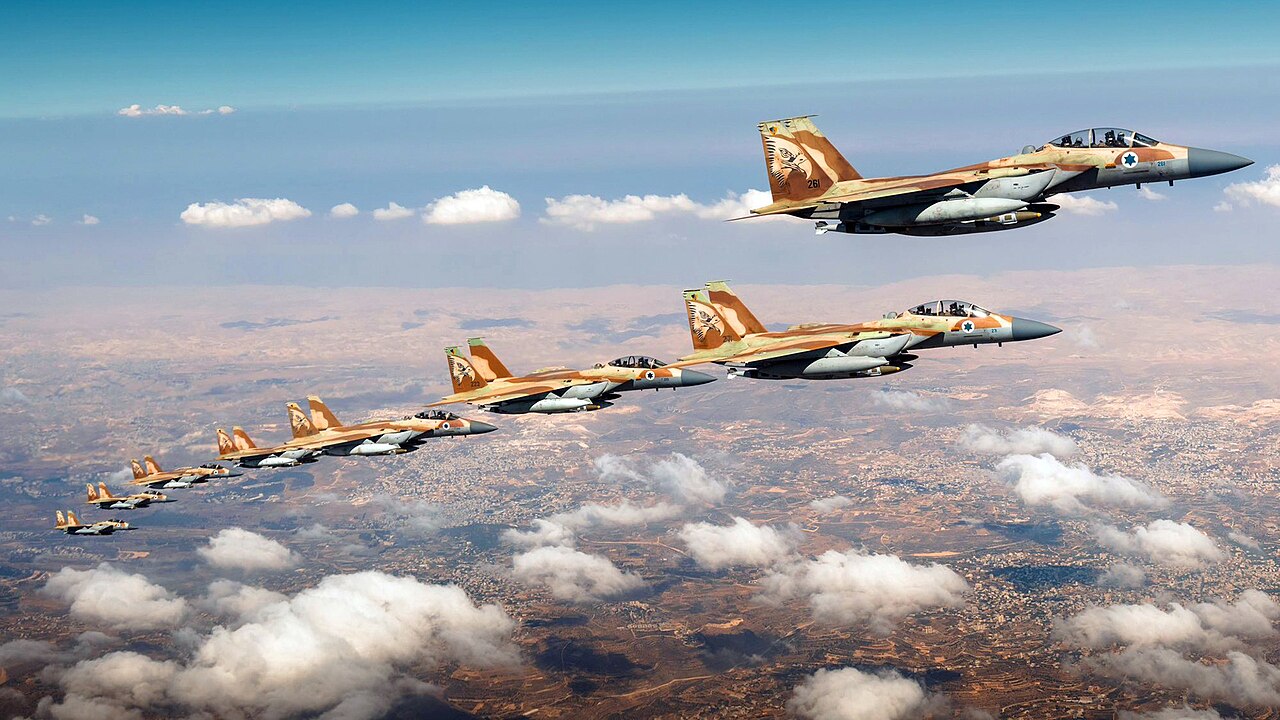
The Middle East is currently gripped by an intense and rapidly escalating conflict, marked by a significant increase in the us israeli bombardment of Iran. What began as targeted strikes has quickly spiraled into a multi-front engagement with profound humanitarian and economic consequences. As Washington and Jerusalem intensify their offensive against Iranian security forces and key symbols of power, Iran has responded with its own barrage of missiles and drones, issuing stark warnings about the potential destruction of military and economic infrastructure across the entire region.
The sheer velocity of these strikes has even necessitated the postponement of solemn national events within Iran, underscoring the severity of the situation. The mourning ceremony for Iranian Supreme Leader Ayatollah Ali Khamenei, reportedly killed at the conflict's outset, has been delayed – a poignant indicator when compared to the millions who attended his predecessor's funeral in 1989. This article delves into the critical facts surrounding this escalating conflict, examining its strategic aims, regional ripple effects, and the devastating toll it is taking.
The Escalation Unfolds: A Deep Dive into US-Israeli Strikes
The current phase of the war, initiated by the U.S. and Israel, commenced with explicit targets: Iran's leadership, its formidable missile arsenal, and its controversial nuclear program. While the overarching goal has been hinted at as the toppling of the Iranian government, the exact aims and timelines appear fluid, signaling a potentially open-ended conflict. President Donald Trump has publicly lauded the U.S. military's performance, stating they are "doing very well on the war front, to put it mildly," reflecting the confidence from the American side.
A significant event in this escalating us israeli bombardment occurred in the Indian Ocean, where a U.S. submarine successfully sank an Iranian warship. U.S. Defense Secretary Pete Hegseth confirmed that a torpedo from an American submarine was responsible for the incident. Sri Lankan authorities reported that the vessel, carrying an estimated 180 people, sank outside their territorial waters, with 32 individuals rescued and 87 bodies recovered – a grim testament to the direct naval confrontation. This incident highlights the widening geographical scope of the conflict, extending beyond land borders into international waters.
On Iranian soil, the intensity of the strikes has been visibly devastating. Reports from Iranian state television show the ruins of buildings in Tehran, with residents recounting the damage to their homes. Intense U.S.-Israeli bombardment has sent flames and plumes of smoke into the night sky across various Iranian cities, including Sanandaj near a media center and vast expanses of the capital, Tehran. The Shiite seminary city of Qom has also seen strikes targeting buildings associated with a clerical panel, indicating a deliberate strategy to impact both the physical and institutional fabric of the Iranian state.
Strategic Objectives and the Shifting Landscape of War
The stated objectives behind the us israeli bombardment are multi-layered. Initially focusing on high-value military and leadership targets, there's a clear suggestion that one underlying aim is to destabilize the Iranian government and encourage an internal uprising. This is particularly evident in the targeting of buildings associated with Iran's Basij, the all-volunteer paramilitary force of the Revolutionary Guard known for its brutal crackdown on protesters in January. Striking these symbols of internal security is a strategic move, designed not just to degrade military capabilities but also to potentially weaken the regime's grip on power and embolden domestic dissent.
However, the effectiveness of such a strategy faces challenges. Iran's Foreign Minister Abbas Araghchi previously stated that Iranian forces operate with decentralized leadership, meaning units often act autonomously according to general orders. This operational structure could significantly blunt the impact of attacks on top command and control hubs, as the loss of central leadership might not cripple field operations as effectively as anticipated. Understanding these complex dynamics is crucial for anyone analyzing the conflict's trajectory. For more insights into the strategic underpinnings of these attacks, explore our related article: Targeting Iran's Power: US-Israeli Strikes and War Goals.
The fluidity of war aims further complicates the situation. What began with specific targets has evolved into a broader offensive, suggesting an open-ended commitment from the U.S. and Israel. This ambiguity, while allowing operational flexibility, also makes it difficult to predict escalation paths or potential off-ramps, creating an environment of profound uncertainty for the region and the international community.
Regional Fallout and the Mounting Humanitarian Crisis
The conflict's ripple effects extend far beyond Iran's borders, transforming the Middle East into a wider theater of engagement. Israel has been actively trading fire with the Iranian-backed Hezbollah militant group in Lebanon, significantly escalating tensions along its northern border. Concurrently, Iran has launched strikes against Bahrain, Kuwait, and Israel, demonstrating its capacity for regional retaliation. In a concerning development for broader international security, Turkey reported that NATO defenses intercepted a ballistic missile launched from Iran before it could enter Turkish airspace, highlighting the potential for the conflict to draw in other regional and global powers.
The humanitarian toll of this escalating us israeli bombardment is already staggering. Officials in the affected countries report over 1,000 fatalities in Iran, more than 70 in Lebanon, and approximately a dozen in Israel. These numbers are a stark reminder of the human cost of armed conflict, affecting countless families and communities. Beyond direct casualties, the conflict has created a humanitarian crisis, with hundreds of thousands of travelers stranded across the Middle East due to disrupted transportation networks. The Israeli army has even issued explicit warnings to residents of Beirut's southern suburbs, urging them to "immediately flee their homes to save their lives" and specifying evacuation routes for neighborhoods like Bourj el-Barajneh, Hadath, Haret Hreik, and Shiyyah, highlighting the direct threat to civilian populations.
Economically, the war has sent shockwaves across global markets. The supply of the world's oil and natural gas has been severely disrupted, leading to market volatility and concerns about energy security. International shipping, a lifeline for global trade, has been snarled, impacting supply chains and raising costs for businesses and consumers worldwide. The deliberate targeting of civilian infrastructure, as described by Amjad Iraqi, a senior analyst at the International Crisis Group, who noted Israel's pattern of "dismantling entire systems by hitting schools, public infrastructure and state institutions," signals a long-term impact on recovery and stability. For a deeper understanding of these widespread consequences, refer to our article: Middle East Conflict: US-Israel Strikes Impact Global Supply & Lives.
Analyzing the Impact: Beyond Military Targets
The strategic decisions behind the us israeli bombardment extend beyond simply neutralizing military threats. Targeting Iran's internal security command and the Basij forces is a calculated move to weaken the regime from within, potentially fostering conditions for internal unrest. However, the resilience of Iran's decentralized command structures, as indicated by its foreign minister, suggests that achieving this goal through aerial bombardment alone may be a prolonged and complex endeavor. The psychological impact of these strikes on the Iranian populace, while devastating to individual homes and lives, remains a critical factor in understanding the long-term political landscape.
The deliberate targeting of public infrastructure, schools, and state institutions, as observed in areas like Beirut and Iran, indicates a strategy aimed at inflicting maximum systemic disruption rather than merely military defeat. This approach creates immense challenges for post-conflict recovery and stability, potentially breeding deeper resentment and prolonging instability. The immediate advice for civilians in targeted areas to evacuate underscores the direct and imminent danger to non-combatants, highlighting the grim realities faced by millions caught in the crossfire.
The escalating us israeli bombardment of Iran marks a perilous turning point in Middle Eastern geopolitics. With fluid war aims, extensive regional involvement, and a devastating human and economic toll, the conflict is rapidly reshaping the landscape of global security and stability. As the international community grapples with the fallout, the immediate priorities remain humanitarian aid, de-escalation efforts, and the pursuit of a sustainable path to peace amidst profound uncertainty.